دير مار يعقوب وكنيسة مار أنطونيوس البادوانيّ – كرم سدّه
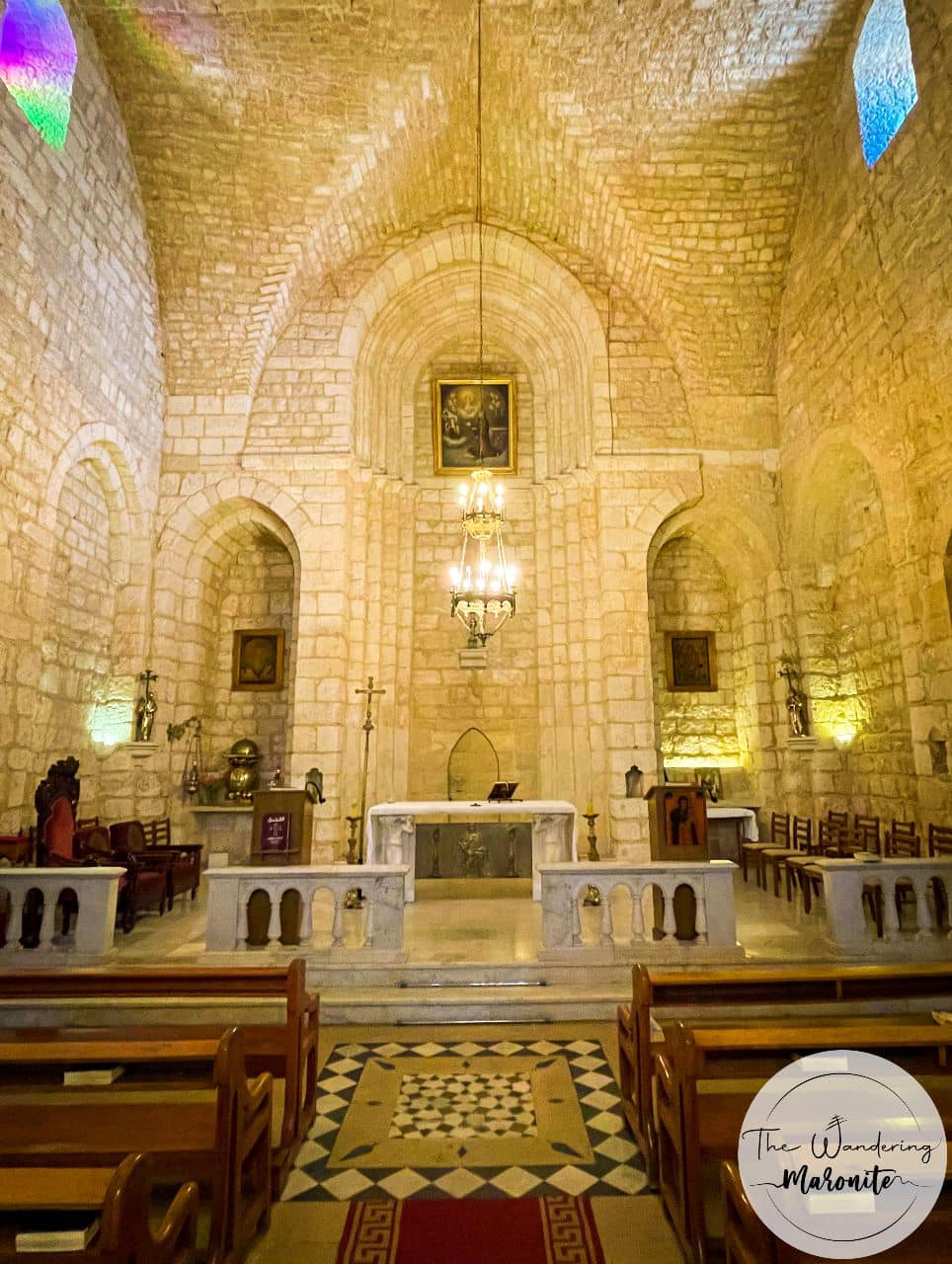
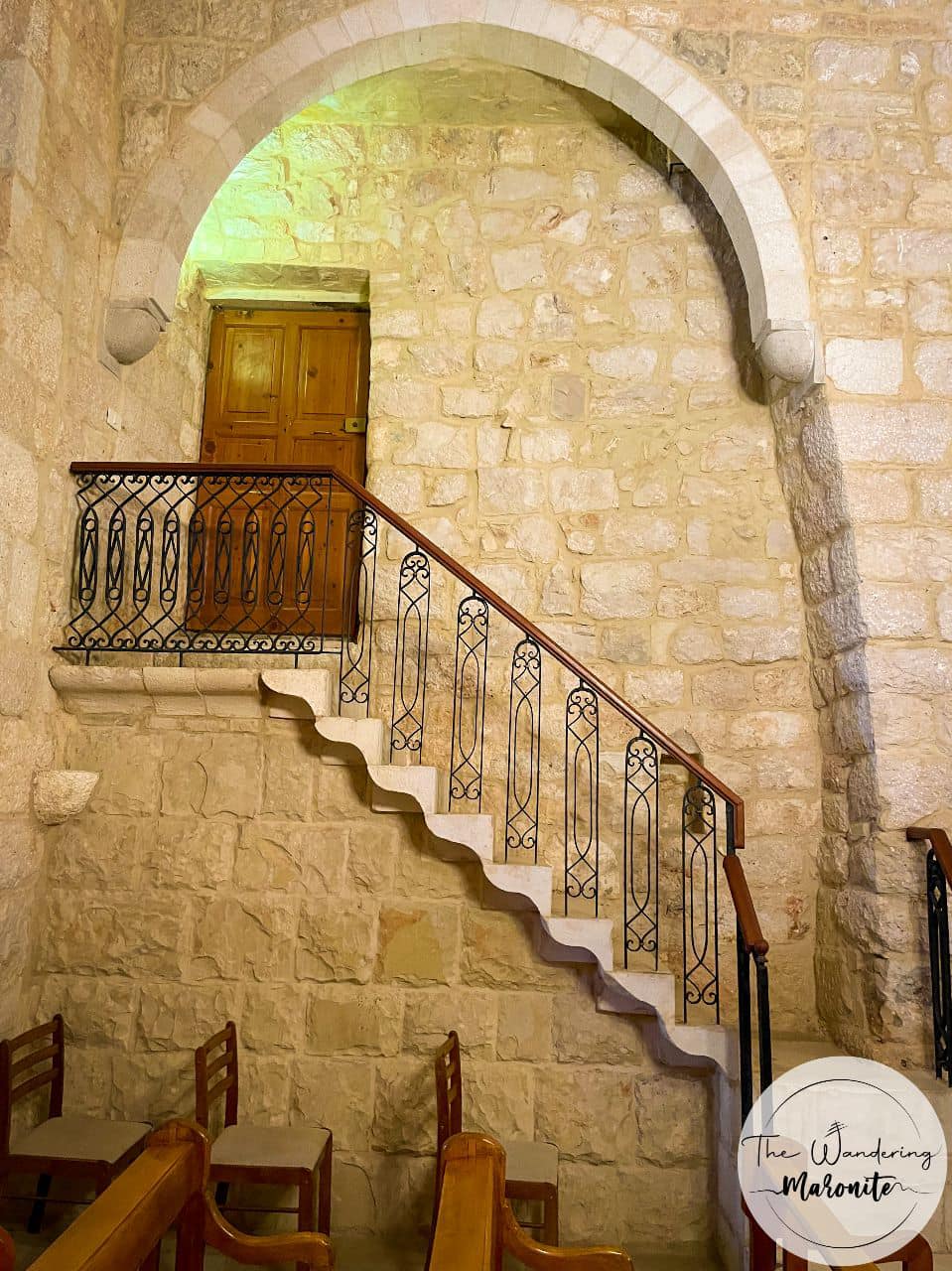
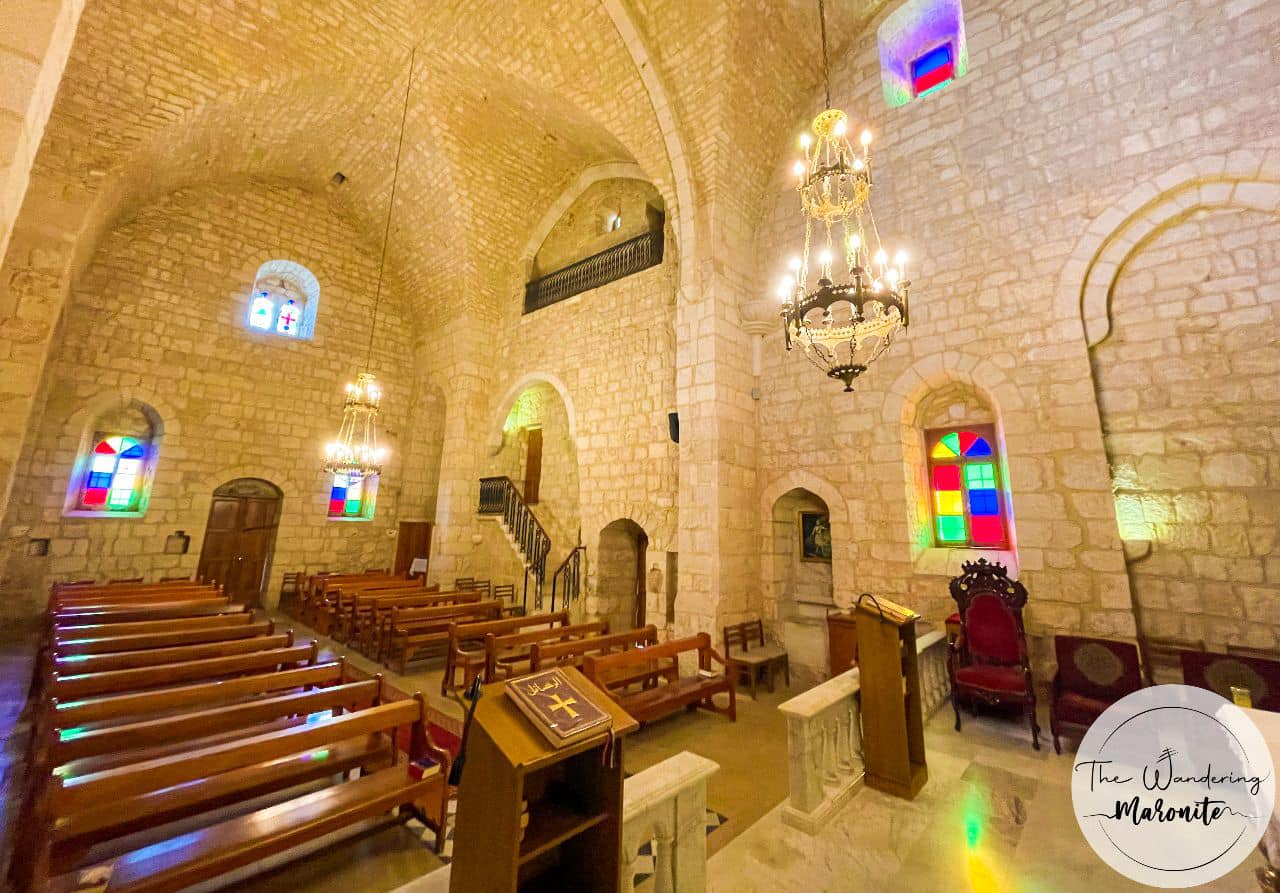
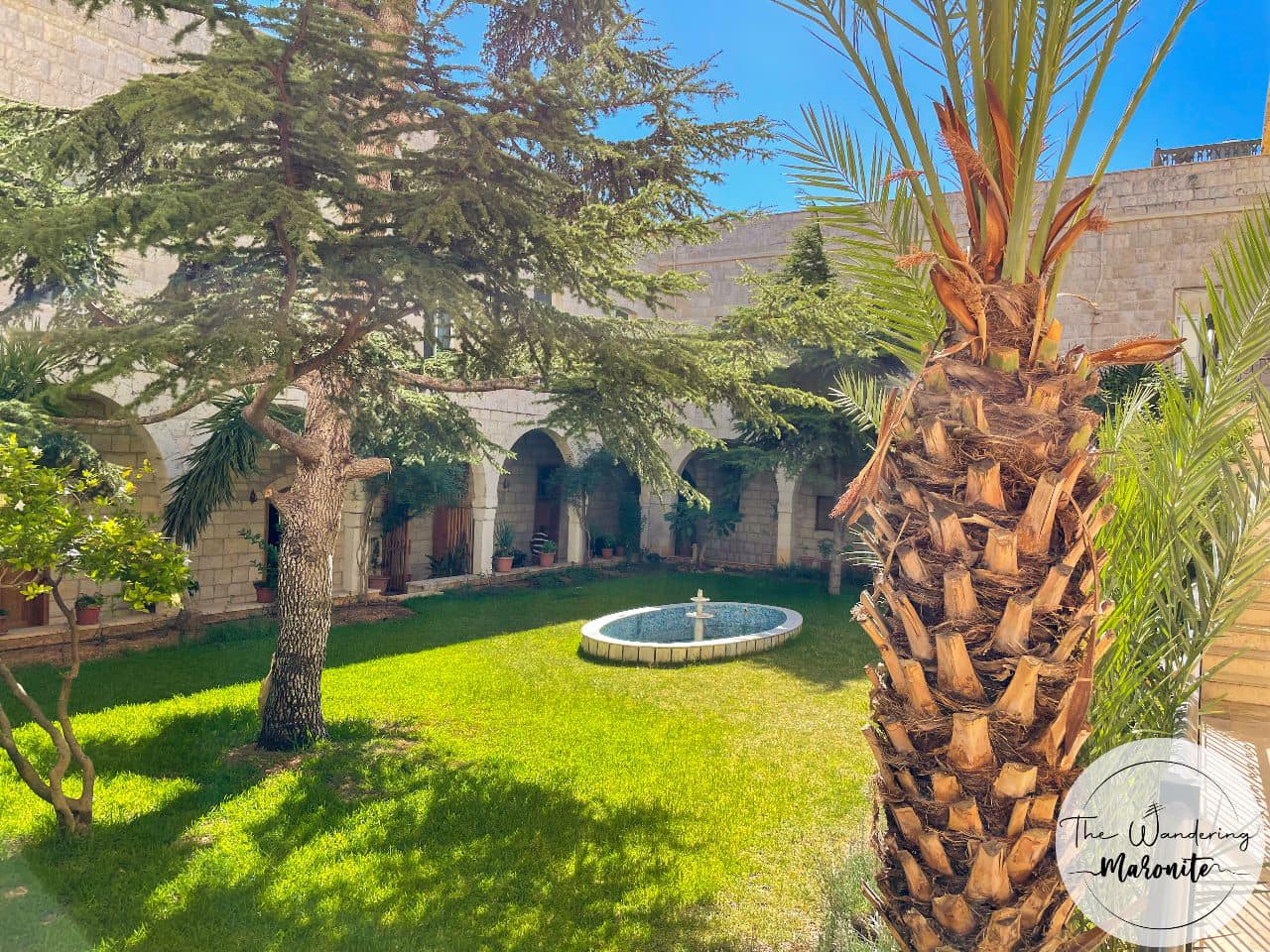
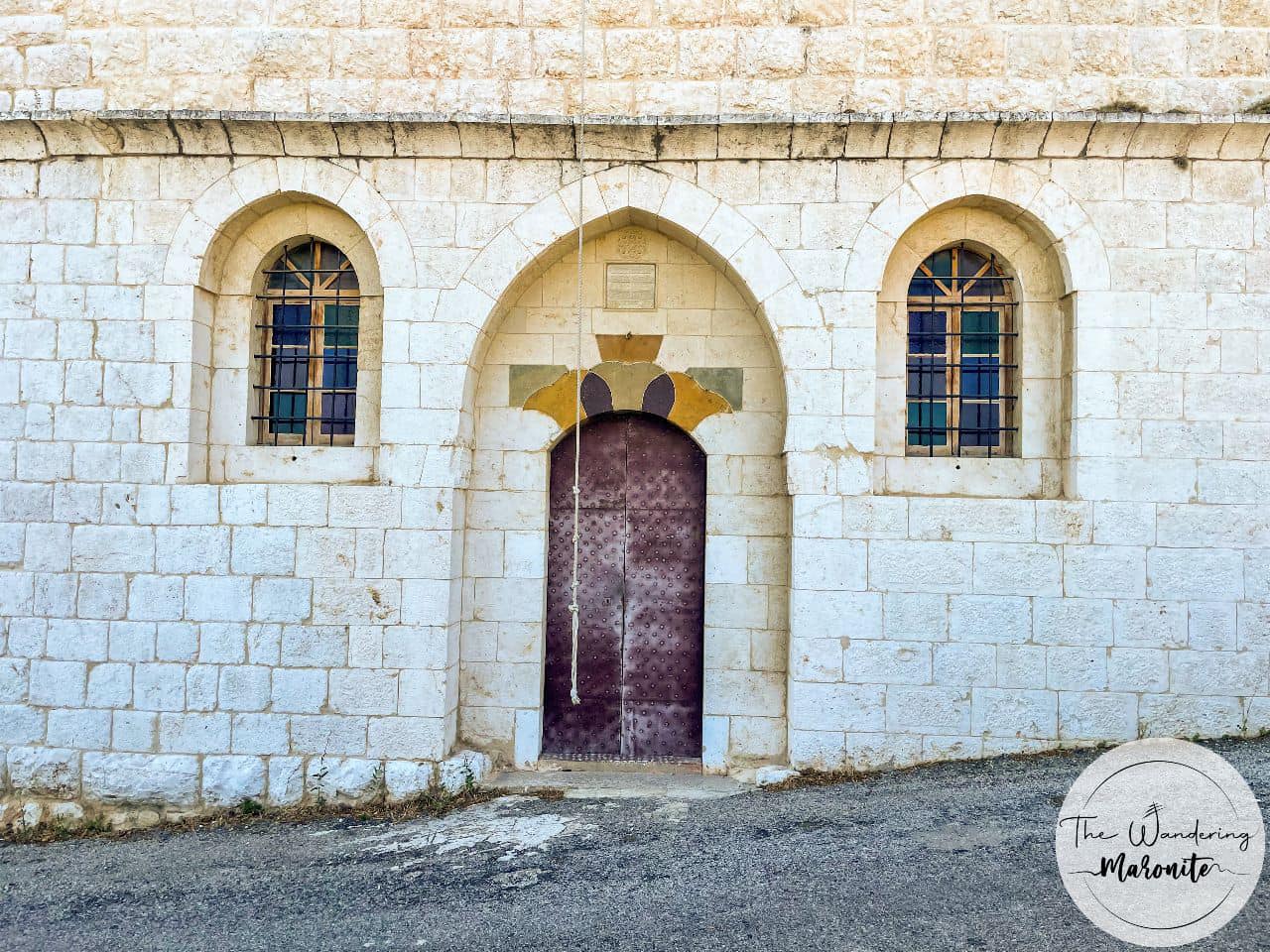
الدير كان قديمًا هيكلًا وثنيًّا رومانيًّا. تاريخ البناء الأوّل مجهول. سكنه اليعاقبة وتركوه في القرن الخامس عشر فأصبح خرابًا. جدّده عام ١٨٣٧ المطران بولس موسى رئيس أساقفة طرابلس لجعله كرسيًّا أسقفيًّا ومدرسة إكليركيّة لـمار أنطونيوس البادوانيّ، الذي على اسمه شُيّدت الكنيسة. عام ١٨٨٤ شيّد المطران إسطفان عواد الجهة الشرقية وجدّد عام ١٨٧٩ الإكليركيّة. عام ١٩١٢ وسّعه المطران أنطون عريضة، لكنّ الإكليريكيّة أغلقت أبوابها مع الحرب العالميّة الأولى إلى أن عادت لتفتح أبوابها سنة ١٩١٩. زارها عام ١٩٢٠ المفوّض السامي الفرنسي الجنرال غورو . شيّد المطران أنطون عبد عام ١٩٦٠ قسمًا جديدًا من الدير، وعام ١٩٩٦ بُني البناء الجديد. ضمّ هذا البناء سنة ١٩٩٨ كليّة العلوم اللاهوتية والدراسات الرعائية في الجامعة الأنطونيّة، بسعي المطران يوحنّا فؤاد الحاج.
Saint Jacob Monastery and Saint Anthony Padua Church - Karm Saddeh
The monastery was originally an ancient Roman pagan structure. The exact date of its initial construction is unknown. It was inhabited by the Jacobites and abandoned in the 15th century, falling into ruins. It was renovated in 1837 by Archbishop Paul Moussa, the head of the Archdiocese of Tripoli, to serve as an episcopal see and a seminary for Saint Anthony Padua, after whom the church was named. In 1884, Archbishop Estephan Awwad constructed the eastern side and renovated the seminary in 1879. In 1912, Archbishop Antoine Arida expanded it further, but the seminary closed its doors during World War I and reopened in 1919. It was visited by the French High Commissioner General Gouraud in 1920. Archbishop Antoine Abed built a new section of the monastery in 1960, and in 1996, a new building was constructed, which included the Faculty of Theology and Pastoral Studies at Antonine University, under the guidance of Archbishop Youhanna Fouad El-Hage.
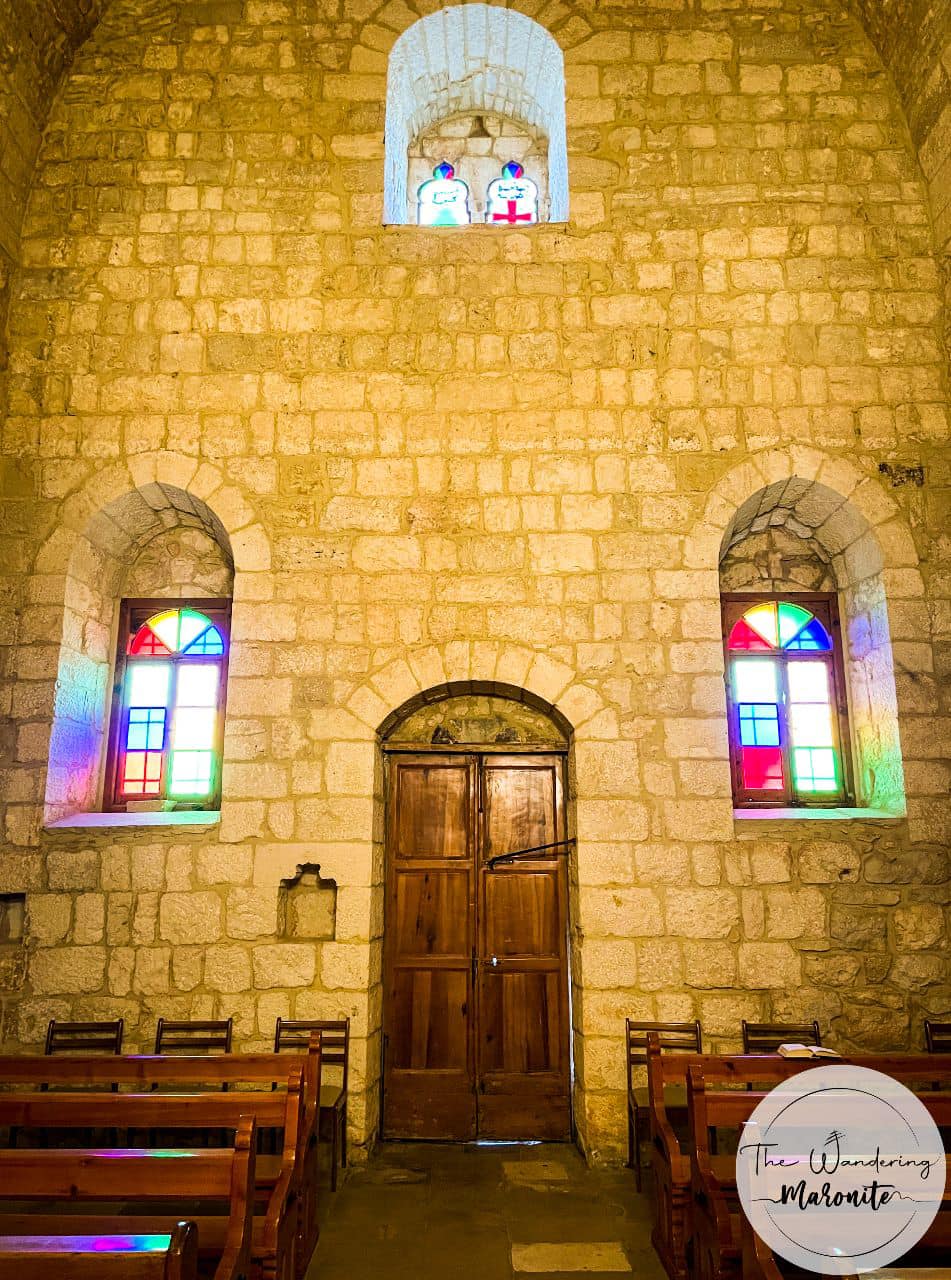
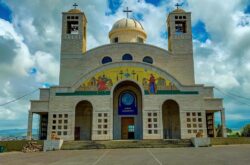
بُنيت هذه الكنيسة على أنقاض كنيسة أقدم تعود للقرن الثامن. بوشر البناء سنة ١٨٧٠ وتمّ سنة ١٩٢١ فكانت أكبر كنيسة في لبنان آنذاك. رُمّمت سنة ١٩٧٩ وأظهر الترميم العقد المصنوع من خشب الأرز. سنة ١٩٩٦ إستُقدمت الساعة من إيطاليا.
The church of Our Lady of Assumption - Tannourin el Fawqa
The church was built over an older church dating back to the VIIIth century. The construction began from 1870 until 1921, becoming the biggest church in Lebanon at that time. The church was restored in 1979 and the cedar wood roof was revealed. A bell tower imported from italy was added to the structure in 1996.
The monastery of St Maroun on the Orontes - Hermel
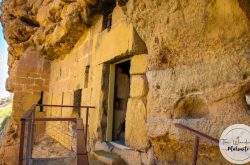
The monastery was originally a natural cave consisting of three sections, it was expanded by Roman builders working in nearby stone quarries. It is situated above Ain El Zarqa, one of the sources of the Orontes River, and connected to the river via a corridor carved into the mountainside. This was used to fetch water and provide a hiding place during enemy attacks. In the VIth century, Maronite monks sought refuge in the cave after facing persecution in northern Syria, where their monastery was destroyed and its contents dispersed. The monks expanded the cave and carved an altar, turning the cave into a new monastery. This marked the beginning of the Maronite migration to the mountains of Lebanon along the Orontes River. Over time, the monastery was neglected and became an abandoned farm. In 2011, it was visited by Patriarch Bechara Boutros Al-Rahi and has since been restored in 2018, returning to the Maronite Church. The monastery serves as a testament to the spread and perseverance of the Maronite Church in the Levant.
Basilica of Our Lady of Mantara - بازيليك سيدة المنطرة, Maghdoucheh, Lebanon
مقام سيدة المنطرة العجائبي مغدوشة
Maghdoucheh
Saida
South
Our Lady of Mantara is a Melkite Greek Catholic Marian shrine in Maghdouché, Lebanon, discovered on 8 September 1721 by a young shepherd. The grotto, which according to a legend dates to ancient times, was subsequently cared after by Monsignor Eftemios Saïfi, Melkite Catholic bishop of the Melkite Greek Catholic Archeparchy of Sidon. The shrine consists of a tower crowned with the statue of the Virgin and Child, a cathedral, a cemetery and a sacred cave believed to be the one where the Virgin Mary rested while she waited for Jesus while he was in Tyre and Sidon. (Women were not allowed in some cities). Since its discovery, it has been steadily visited by families particularly each year on the occasion of the feast of the Nativity of Mary on 8 September.
Ancient era Many historians agree that the devotion to the Virgin Mary in Lebanon replaced the Phoenician worship of Astarte. Temples and shrines to Astarte were converted to Christian places of worship, honoring the Virgin. This is also true in Maghdouché where within the vicinity of Our Lady of Awaiting are the remains of a shrine to Astarte.
Middle Ages During the reign of Emperor Constantine, his mother, Saint Helena of Constantinople, requested in 324 the destruction of all pagan temples and idols dedicated to Astarte. The Astarte shrine in Maghdouché was probably destroyed at that time and converted to a place of devotion to the Holy Mother.
Since the early Christian era, the inhabitants of Maghdouché have venerated the cave where the Virgin Mary rested while she waited for her son, Jesus to finish preaching in Sidon. Saint Helena asked the Bishop of Tyre to consecrate a little chapel at the cave in Maghdouché. She sent the people of Maghdouché an icon of the mother and child and some altar furnishings. Historians believe that Saint Helena asked the people to name the chapel, and they named it "Our Lady of Awaiting" because it was there that the holy mother waited for her son.[4] Mantara is derivative of the Semitic root ntr, which means “to wait."
Saint Helena provided funds from the imperial treasury for the maintenance of the chapel. The funding continued for three centuries of Byzantine rule in Phoenicia until Khalid ibn al-Walid defeated Emperor Heraclius at the Battle of the Yarmuk.[4] While the caliph Omar, who became ruler of Jerusalem, was a pious and humble man, sparing Christendom's holiest shrines and being tolerant of his Christian subjects, the Arab rulers of the rest of Byzantium were less tolerant of the Christians, especially in the maritime cities of Tyre, Sidon, Beirut, Byblos, and Tripoli.[4] After the majority of the Sidonians converted to Islam to receive promised privileges and immunities, the people of Maghdouché withdrew to higher elevation up Mount Lebanon. The caliphate had recognised the Christians of Mount Lebanon as autonomous communities, paying a fixed tax. Before abandoning their village, they concealed the entrance to the cave of Our Lady of Awaiting with stones, earth and vines. The people left the village through obscure mountain paths to the strongholds of Christian Lebanon. The legend of Our Lady of Awaiting was passed down to the exiled generations of Maghdouché for one thousand years.
The people of Maghdouché did not return to their ancestral home despite the arrival of the Crusaders in Sidon. The Crusaders spent most of the 12th and 13th centuries in the shadow of Maghdouché without ever suspecting the sacred cave's existence even though they built a small fort, called La Franche Garde, within meters of the hidden entrance to the cave.
Modern era The people of Maghdouché only returned to their ancestral village during the reign of the Druze Prince Fakhreddin II (1572-1635). The prince, who was considered a tolerant and enlightened ruler of his day and age, believed in equality amongst the diverse religious followers of his Lebanon. To demonstrate this equality, he appointed a Maronite Catholic as Prime Minister, a Muslim as Minister of the Interior, a Druze as Army Commander and a Jew as Finance Minister. His reign was a rare example of non-sectarianism, and it soon became the most prosperous principality in the Ottoman Empire.
It was not easy to relocate the sacred cave even though the men of Maghdouché worked for hundreds of years near the grotto, pulling down the stones of the Crusader fort for building material for their new homes. The cave was finally rediscovered on 8 September 1721 by a young shepherd when one of his goats fell in a well-like opening in the porous limestone. Wanting to save his goat, the shepherd made a rope from vine twigs, tied it to a tree, and descended into the hole, but the rope broke and he fell. When his eyes became accustomed to the darkness of the grotto, the boy saw a soft glimmer of a golden object, which turned out to be Saint Helena’s icon of the Mother and Child. The boy climbed up the stone walls and ran to the village to tell his discovery.




Reviews are disabled, but trackbacks and pingbacks are open.